Restructuring a Horticulture Cooperative's Value Chain to Eliminate 40% Post-Harvest Loss
Key Results
40% → 11%
Post-Harvest Loss
Reduction in post-harvest loss rate within 12 months of infrastructure commissioning
₹1.8 Cr
Incremental Revenue
Year 1 incremental revenue from institutional buyer contracts and reduced losses
₹1.1 Cr
NABARD Financing
Long-tenor infrastructure financing at 6.2% — saving ₹28 lakh vs commercial rates
5 → 1
Intermediary Layers
Reduction in supply chain intermediaries through direct institutional buyer linkage
The Challenge
A mid-size horticulture cooperative in Gujarat with 340 member farmers was losing 40% of its tomato and capsicum output to post-harvest damage. The cooperative had no cold chain infrastructure, no institutional buyer relationships, and was entirely dependent on local mandis where 4–5 intermediaries extracted margin between the farmer and the end consumer. Working capital was perpetually constrained, and the cooperative's management lacked the financial and operational capacity to address the structural issues. The board approached Shiva Consultancy Group in early 2023 with a clear mandate: stop the bleeding and build a sustainable business model.
Our Approach
Phase 1: Diagnostic and Infrastructure Design (Months 1–4)
We began with a comprehensive value chain diagnostic — mapping every node from farm input procurement through harvest, aggregation, transport, and market access. The diagnostic quantified the loss at each node and identified the root causes. The primary loss driver was the absence of pre-cooling infrastructure: harvested produce was sitting in ambient temperature for 18–36 hours before reaching the mandi, causing rapid quality degradation.
- Full value chain mapping across 340 member farms
- Post-harvest loss quantification by crop and node
- Infrastructure gap analysis: pre-cooling, sorting, grading, packaging
- NABARD RIDF eligibility assessment and application preparation
- Institutional buyer landscape mapping in Gujarat and Maharashtra
Phase 2: Infrastructure and Market Linkage (Months 5–12)
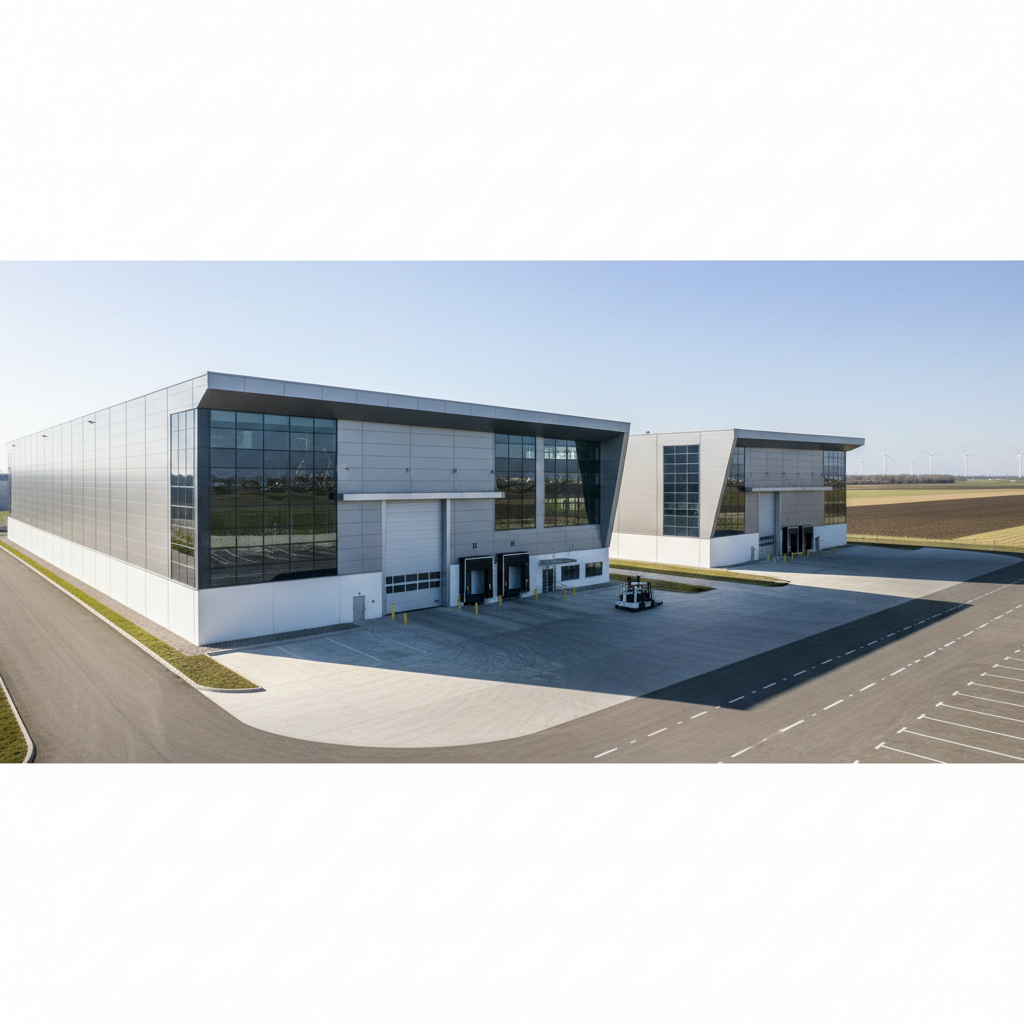
We designed a 200-tonne pre-cooling and sorting facility and secured ₹1.1 crore in NABARD RIDF financing at 6.2% for 8 years — reducing the cooperative's capital outlay to ₹38 lakh. Simultaneously, we initiated buyer development: direct negotiations with two institutional processors and one organized retail chain. The buyer contracts were structured with minimum offtake commitments and quality-linked pricing, providing revenue predictability that the cooperative had never had.
- 200-tonne pre-cooling facility design and NABARD financing
- Direct supply agreements with 2 institutional processors
- Organized retail supply contract with minimum offtake guarantee
- Quality grading SOP development and farmer training
- Digital procurement tracking system implementation
Phase 3: Governance and Capacity Building (Months 13–18)
The final phase focused on building the institutional capacity to sustain the improvements. We restructured the cooperative's board governance, implemented monthly management accounts, and trained the management team on financial reporting and working capital management. We also supported the cooperative in applying for FPO registration, which unlocked additional government support and improved its negotiating position with buyers.
- Board governance restructuring and committee formation
- Monthly management accounts and financial reporting system
- Working capital management training for management team
- FPO registration and government support access
- Year 2 expansion planning and financing roadmap
Key Learning
The most important insight from this engagement was that the cooperative's problems were not primarily financial — they were infrastructural and institutional. The cooperative had the farmer base, the land, and the crops. What it lacked was the infrastructure to preserve quality and the institutional relationships to access better markets. Once those two elements were in place, the financial improvement followed naturally. This pattern — infrastructure and institution first, financial improvement second — is consistent across the agribusiness engagements we have conducted.
Discuss a Similar Challenge