Stabilizing a Maharashtra MSME Through Balance Sheet Restructuring and Working Capital Optimization
Key Results
-35%
Total Debt
Reduction in total debt through OTS settlements and equity injection
4% → 11%
EBITDA Margin
Improvement in EBITDA margin from cost reduction and pricing optimization
-28%
Interest Cost
Reduction in annual interest cost through rate renegotiation and debt reduction
6 weeks → 18 weeks
Cash Runway
Improvement in cash runway from working capital optimization
The Challenge
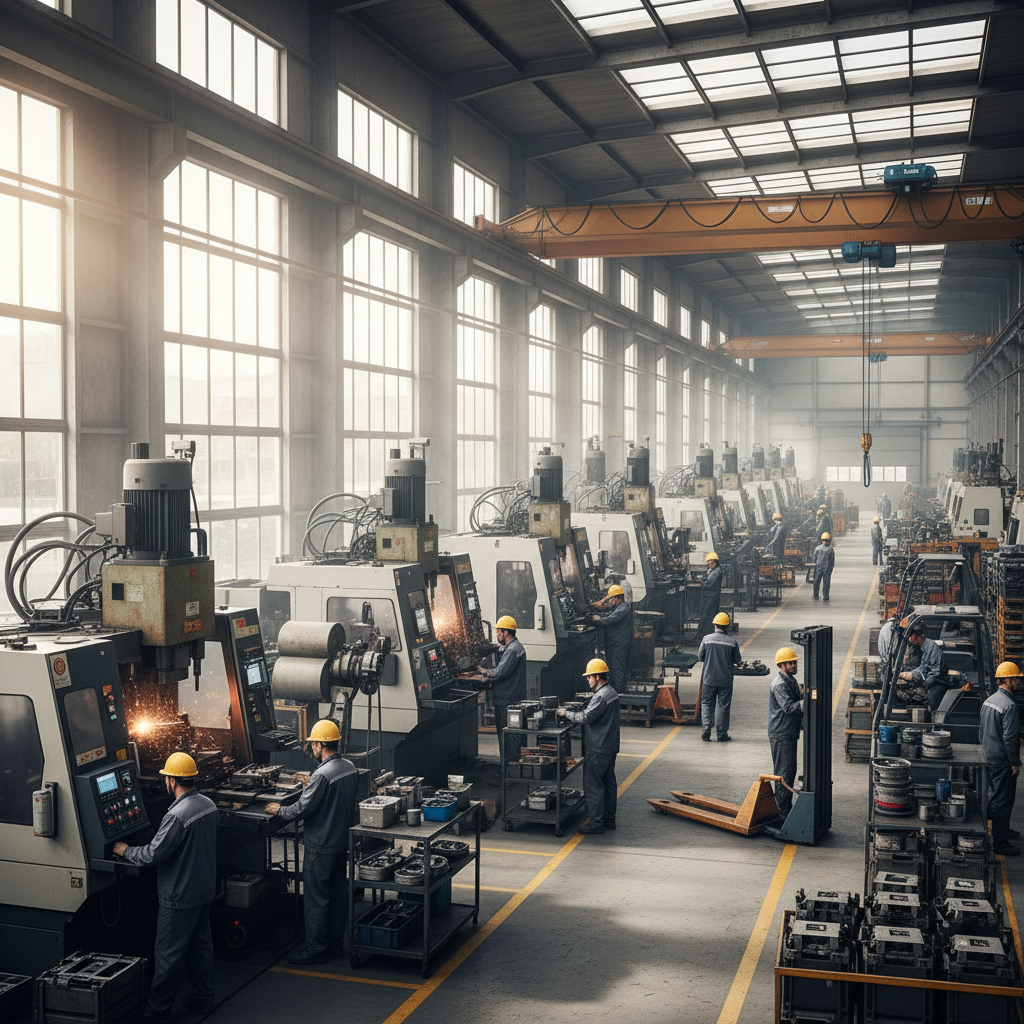
An auto components manufacturer in Maharashtra with ₹22 crore annual revenue was in financial distress. The business had grown rapidly during 2019–2022 by taking on large OEM contracts, but had funded the growth with short-term debt — creating a structural mismatch between its long working capital cycle (90+ days receivables from OEM customers) and its short-term liabilities (30-day repayment terms on most facilities). By mid-2023, the business was in a debt trap: using new short-term borrowings to repay existing ones, with no capacity to invest in the operational improvements needed to maintain OEM contracts.
Our Approach
Phase 1: Financial Diagnostic and Stabilization (Months 1–2)
We began with an emergency financial diagnostic: 3 years of accounts, all loan agreements, and a detailed cash flow analysis. The 13-week cash flow model revealed that the business had 6 weeks of runway before it would be unable to meet payroll. We immediately initiated lender conversations to negotiate a 90-day standstill on principal repayments while the restructuring plan was developed.
- 13-week cash flow model and liquidity assessment
- Full debt schedule mapping across 7 lenders
- Lender standstill negotiation (90-day principal moratorium)
- Immediate cost reduction identification (₹18 lakh monthly)
- OEM customer communication and contract protection
Phase 2: Balance Sheet Restructuring (Months 3–8)
With the immediate crisis stabilized, we developed and executed a comprehensive balance sheet restructuring. This involved converting ₹8.5 crore of short-term debt to term loans with 5-year tenors, negotiating OTS settlements on two high-cost facilities, and working with the promoter to inject ₹1.2 crore of fresh equity to strengthen the balance sheet.
- ₹8.5 Cr short-term debt converted to 5-year term loans
- OTS settlement on 2 high-cost facilities (saving ₹42 lakh)
- ₹1.2 Cr promoter equity injection
- Working capital facility right-sizing to actual cycle requirements
- Interest rate renegotiation across remaining facilities
Phase 3: Operational and Governance Improvement (Months 9–12)
The final phase addressed the operational issues that had contributed to the financial distress: poor cost visibility, inadequate financial reporting, and a pricing model that did not fully recover costs from OEM customers. We implemented monthly management accounts, a cost-plus pricing review, and a financial governance framework.
- Monthly management accounts implementation
- Cost-plus pricing model review and OEM contract renegotiation
- Financial governance framework and board reporting
- Working capital management training for finance team
- 12-month forward financial plan and covenant monitoring
Key Learning
The most important lesson from this engagement was the danger of growth without financial structure. The business had grown revenue by 40% in 3 years — but had funded that growth with short-term debt that was structurally incompatible with its working capital cycle. The restructuring was ultimately successful, but it required 12 months of intensive work and significant cost to the promoter. A CFO advisory engagement at the beginning of the growth phase would have cost a fraction of the restructuring cost and prevented the crisis entirely.
Discuss a Similar Challenge