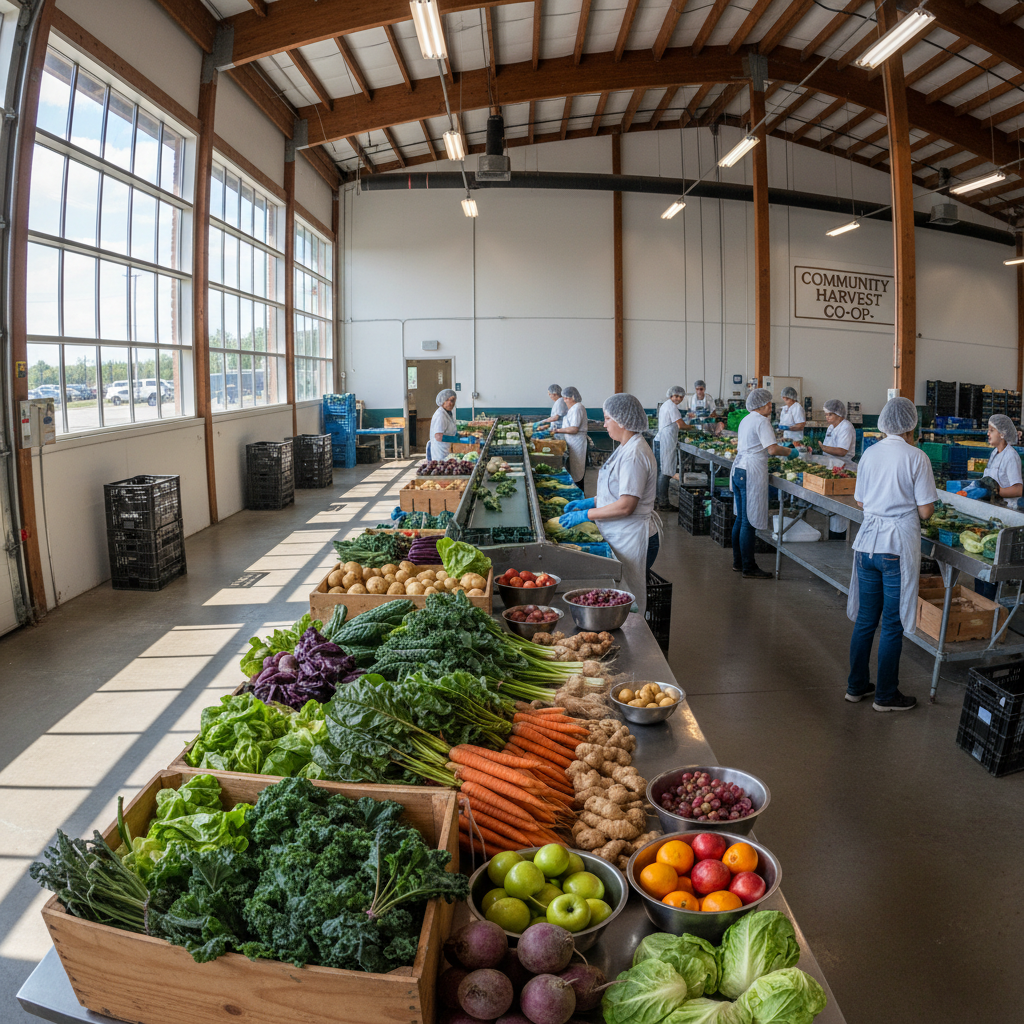
Turning 500 Acres of Idle Corporate Land into a Profitable Farming Operation

Key Results
₹2.4 Cr
Revenue Generated
Revenue from previously idle land in the first two crop cycles
0% → 92%
Land Utilization
Increase in productive land utilization within 18 months
+23%
Yield vs Benchmark
Soybean yield above district average due to optimized input management
₹3.8 Cr
Projected Year 3 Revenue
Projected revenue as irrigation infrastructure reaches full utilization
The Challenge
A corporate entity in Madhya Pradesh held 500 acres of agricultural land that had been idle for 3 years following the exit of a previous farming operator. The land had good soil quality and adequate water access, but the corporate had no farming expertise and had been unable to find a reliable operator. The board wanted to either monetize the land through a structured farming operation or sell it — but needed a credible business plan and financial model to evaluate both options.
Our Approach
Phase 1: Land Assessment and Business Planning (Months 1–3)
We conducted a comprehensive land assessment covering soil health, water availability, infrastructure condition, and market access. Based on the assessment, we developed three farming models — a self-operated model, a contract farming model, and a lease model — with detailed financial projections for each.
- Soil health assessment across 500 acres (12 sampling zones)
- Water availability and irrigation infrastructure assessment
- Market access analysis: proximity to mandis, processors, and export hubs
- Three farming model development with 5-year financial projections
- Risk assessment and sensitivity analysis for each model
Phase 2: Contract Farming Structure and Buyer Development (Months 4–12)
The board selected the contract farming model. We designed the contract farming structure, identified and negotiated with potential farming operators, and developed institutional buyer relationships for the primary crops (soybean, wheat, and mustard). The contract farming agreement included minimum yield guarantees, quality specifications, and a revenue-sharing structure.
- Contract farming agreement design and legal documentation
- Farming operator identification, assessment, and selection
- Institutional buyer negotiations for soybean and wheat
- Crop calendar and input plan development
- NABARD financing for irrigation infrastructure upgrade
Phase 3: Operations Monitoring and Optimization (Months 13–24)
We provided ongoing advisory support during the first two crop cycles, monitoring yield performance against projections, managing the buyer relationships, and optimizing the input plan based on actual results.
- Monthly yield monitoring and variance analysis
- Buyer relationship management and contract compliance
- Input optimization based on Year 1 results
- Year 2 crop plan revision and expansion planning
- Financial reporting and board updates
Key Learning
Corporate landholders consistently underestimate the complexity of farming operations and overestimate the reliability of informal farming arrangements. The key to this engagement's success was the structured contract farming model — which aligned incentives between the corporate and the farming operator, provided the corporate with financial predictability, and gave the operator the capital and market access they needed to perform. The institutional buyer relationships were equally critical: without committed offtake, the financial model would not have been bankable.
Discuss a Similar Challenge